Emotional Wellness: Feeling Grounded & Whole Through Self-Care
Emotional wellness is the foundation of your inner world. It’s where everything you feel inside begins: your intuition, your dreams, your emotional responses, how grounded you feel, and how connected you are to yourself and others. When your emotional wellbeing is strong, everything else in life becomes easier to manage, navigate, and understand.
Without this internal sense of safety, day-to-day functioning can become overwhelming. When you’re not feeling emotionally well, you may feel disconnected from yourself, unsure of your needs, or out of touch with your true feelings. That disconnect can influence how you respond to challenges, make decisions, and move through the world. You may feel less calm and centered, and more like a live wire. You may find yourself being reactive instead of thoughtful, overwhelmed instead of compassionate.
Because women often have such powerful relationships with their emotional selves, tending to your emotional wellness should be a priority. When you shift from imbalance into steadiness, your entire world shifts with it. You open yourself to more connection, understanding, patience, love… and the ability to truly thrive from the inside out.
What Is Emotional Wellness? A Woman’s Guide to Inner Understanding
To begin cultivating and tending to your inner world, you must first understand the many layers that make up emotional wellness. It’s not as simple as feeling good or bad. Emotional wellness is a multi-faceted blend of awareness, understanding, regulation, and connection. It reflects how in tune you are with yourself, how well you can process emotions, and how grounded you feel as you move through your life.
At its core, emotional wellness begins with awareness. Awareness allows you to observe your emotional patterns with curiosity instead of criticism. It helps you take an honest inventory of what you’re feeling, why you’re feeling it, and how those feelings show up in your body and behavior. This kind of observational noticing can bring you closer to your true self, who you know yourself to be deep down. It helps you shift away from the version of yourself shaped by pressure, expectations, or old coping mechanisms. Then, you can live closer to your truths.
Emotional wellness also includes the ability to healthily process your emotions, without suppressing them or becoming overwhelmed by them. When you begin to notice your internal cues (like tension, exhaustion, intuition, overstimulation) you can respond with care rather than just pushing through. When you can stay connected to yourself, even during stress, you create a sense of inner steadiness that supports every part of your life.
Ultimately, emotional wellness is the ongoing practice of staying rooted in who you are, what you feel, and what you need. It’s a lifelong relationship with your inner world, and a beautiful way to offer more love to your inner child.
Signs Your Emotional Wellness Needs Attention
When your emotional self needs more care, your mind and body will find ways to let you know. The warning signs that you’re in need of more emotional self-care can show up in many different ways. They’ll vary from woman to woman, but they often share common threads.
You may feel irritable, overstimulated, restless, or generally disconnected from yourself. You might experience emotional ups and downs that leave little room for feeling grounded or centered. Or, you may notice more persistent patterns like brain fog, emotional numbness, mental or physical exhaustion, or symptoms of anxiety or depression.
When you notice any of these feelings crop up, especially if they seem to be more chronic than sporadic, listen to them. They’re your mind and body’s way of saying “can we slow down? There’s something that needs your attention and care.”
The signs of emotional exhaustion or misalignment are often easy to feel, but not always easy to understand. Many women struggle to recognize where these feelings come from or how they connect to their inner world. Even harder is knowing what to do with them: how to translate emotional discomfort into practical, supportive action that actually helps you feel better.
Because most of us were never taught how to tend to our emotional wellness in meaningful ways, these skills often have to be learned in adulthood. That’s exactly what we’ll explore next. Let’s begin by looking at the inner skills that help support emotional wellness and restore a sense of steadiness from within.
The Inner Skills That Support Emotional Wellness
There are a variety of skills women can cultivate to help regulate their emotions and restore a sense of internal balance. As discussed above, being able to recognize the early signs that you’re emotionally drained or exhaustion is essential. But without the awareness we discussed above, that becomes difficult. Awareness is not about taking action just yet, but observing things just as they are. This kind of presence helps you understand what you’re experiencing internally and why.
Developing awareness often requires stepping out of a constant state of fight-or-flight. Stillness, whether through meditation or just sitting in silence, can help you foster more awareness. It’s not uncommon for women to keep themselves busy and distracted as a subconscious way of avoiding difficult feelings. Slowing down and letting awareness in can help you shift away from living on autopilot. Then, you can start to make real changes to your emotional wellbeing.
From awareness, emotional regulation naturally follows. Emotional regulation is the ability to experience feelings without becoming overwhelmed or shutting down. It supports nervous system health and allows you to respond to life with more steadiness and self-trust. When emotions are allowed, named, and gently processed rather than suppressed, they lose their intensity over time. They feel more manageable and less all-consuming.
Self-compassion also plays a vital role here. Learning to meet your emotions with kindness instead of judgment softens inner pressure and reduces emotional reactivity. Alongside this, tending to your sensory environment (like reducing overstimulation, limiting the content you consume, and honoring your need for rest) helps protect your emotional energy and supports regulation from within.
If you’re someone who feels deeply, absorbs the emotions of others, or becomes easily overwhelmed, having structured emotional self-care can be especially supportive. That’s why I created The Empath’s Guide to Self-Care: an encouraging, introspective book designed to help sensitive women protect their energy, set boundaries, and restore inner peace.


Together, these inner skills form the foundation of emotional wellness. They allow you to feel more grounded, present, and capable of navigating life with confidence.
The Role of Self-Care in Emotional Wellness
At Female Mind Unleashed, we talk about the practice of self-care a lot. And that’s because self-care is a meaningful, deep practice that goes far beyond bubble baths and lighting candles (although both of those things are wonderful). True self-care is a form of emotional maintenance. It’s how you tend to your inner world and build the foundation needed to navigate difficult, stressful, or emotionally demanding seasons of life.
When you have self-care rituals and routines in place, it becomes easier to turn to them when you’re feeling distressed or in need of extra support. Instead of scrambling for relief once you’re already depleted, you have familiar, grounding practices to return to. Self-care can take many forms (you can explore some self-care ideas here). It might look like cooking yourself a nourishing meal, choosing rest over productivity, or intentionally slowing down when life feels busy.
Rest plays a particularly important role in emotional wellness. True rest allows your mind, body, and nervous system to fully disengage from constant stimulation. Through stillness, you create space to reset emotionally and reconnect with yourself. Then you can re-enter life with more clarity, alignment, and emotional steadiness.
Other self-care practices that support emotional wellness include journaling to process your feelings, gentle movement to release stored tension, breathwork or grounding rituals to calm your nervous system, and mindful bedtime routines that bring calm and closure to your day’s end.
How to Build Emotional Resilience From the Inside Out
Emotional resilience isn’t about avoiding difficult feelings or staying positive at all costs. Resilience allows you to sit with discomfort without your primal instincts (like fight, retreat, avoid) kicking in. When your emotional wellness is supported, you’re better able to move through stress, uncertainty, and emotional intensity with flexibility. Fear no longer dictates your actions.
Building emotional resilience starts with regulating through discomfort. This means allowing emotions to rise and fall without immediately reacting to them or pushing them away. Over time, this practice increases your emotional range of tolerance. You will be able to feel deeply without becoming dysregulated. When your range expands, natural waves of emotions don’t feel as abrupt or jarring.
You may notice that when your emotional resilience is low, even small stressors or triggers incite big reactions like anger. Your nervous system may stay in a heightened state, making it hard to rest or think clearly. Leaning on grounding rituals like mantras, breathwork, and intentional stillness can help bring your system back into balance and restore a sense of internal safety.
Emotional wellness lives in the body just as much as the mind. When you learn to respond to stress with compassion instead of urgency, resilience becomes something you build gently, one moment at a time.
Why Women’s Emotional Experiences Are Unique
Women often experience emotional overwhelm not because we are too sensitive, but because we live in a world that rarely encourages emotional rest. Overstimulation, emotional labor, and the pressure to always be strong can quietly erode emotional wellness over time. (If you do identify as an empath, you’ll feel all of this that much more deeply. Explore self-care ideas for empaths here.)
Many women are conditioned to push through exhaustion, minimize their feelings, or place their needs last. This creates a chronic state of emotional overload, where rest feels undeserved and slowing down feels uncomfortable. Sensory input, constant responsibilities (at home or work), and unspoken expectations all contribute to emotional fatigue – even when life appears “fine” on the surface.
Caring for your emotional wellness as a woman often means unlearning these patterns. It means recognizing that rest is not laziness, that emotional care is not indulgent, and that tending to your inner world is essential. When you release the guilt around slowing down, you create space for your inner child to heal and thrive.
How to Start Your Emotional Wellness Journey
Supporting your emotional wellness doesn’t require an overhaul of your life. The practices mentioned in this post are small but powerful when consistently used.
You might start with a simple daily emotional check-in, like asking yourself how you feel without needing to justify or change the answer. Naming emotions helps reduce their intensity and brings you back into connection with yourself.
Building one daily self-care ritual can also be powerful. This could be a few minutes of journaling, intentional rest, or quiet reflection at the start or end of your day. Adding micro-moments of rest throughout your routine helps regulate your nervous system and prevents emotional depletion.
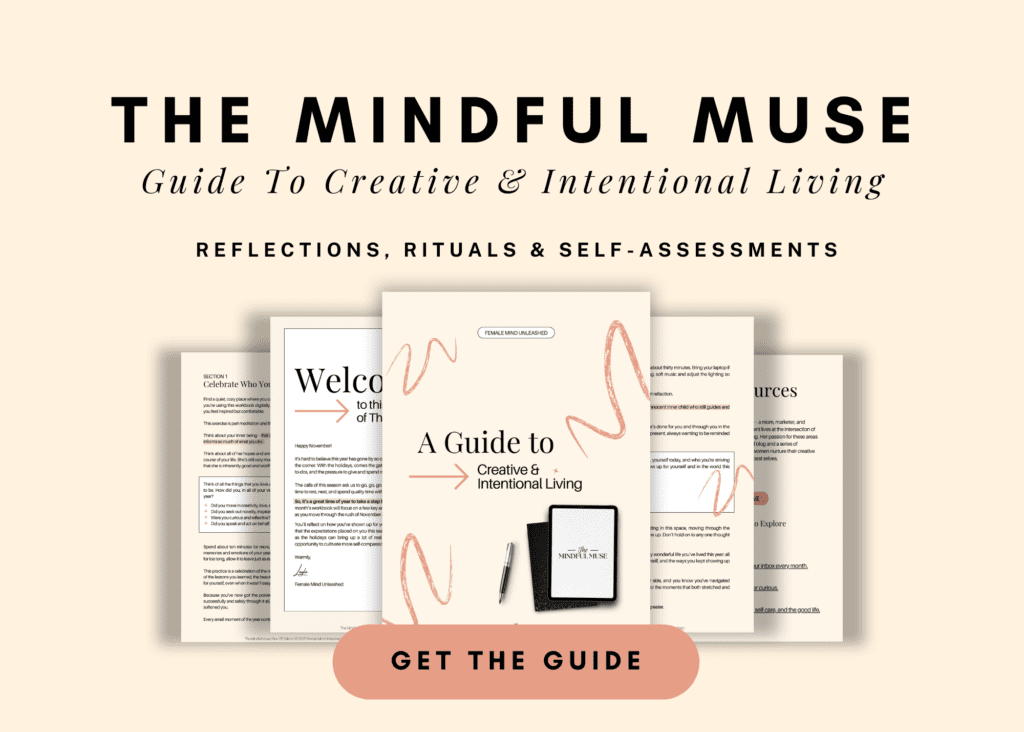
Emotional wellness is easier to maintain when you have supportive tools to return to. Explore The Mindful Muse workbook collection and begin with The Guide to Creative & Intentional Living: a digital workbook featuring self-assessments, journaling prompts, and simple rituals to support creative and intentional living. Discover the full Mindful Muse collection for deeper self-reflection and personal growth.
Reducing overstimulation, tracking your energy patterns, and practicing compassion with yourself as emotions arise are all meaningful ways to deepen emotional wellness. This journey isn’t about fixing who you are, but about understanding yourself on a deeper level.
FAQs
FAQ #1: What is emotional wellness?
Emotional wellness refers to your ability to understand, process, and care for your emotions in a healthy way. It includes emotional awareness, self-regulation, and staying connected to yourself even during stress or overwhelm. When emotional wellness is strong, you’re better able to navigate daily life with clarity, steadiness, and compassion.
FAQ #2: How is emotional wellness different from mental health or mindset?
Emotional wellness focuses on feelings, nervous system regulation, and emotional safety, while mindset and mental health are more closely tied to thoughts, beliefs, and cognitive patterns. Emotional wellness is about how you feel and respond internally, not how you think or what you believe.
FAQ #3: How can self-care improve emotional wellness?
Self-care supports emotional wellness by helping you regulate stress, rest your nervous system, and process emotions safely. Practices like rest, journaling, grounding rituals, breathwork, and mindful routines create the emotional space needed to feel balanced and connected to yourself.
Some links on this page are affiliate links. If you make a purchase through these links, I may earn a small commission at no extra cost to you. I only recommend products I genuinely believe add value.