
Women and Depression: 3 Steps To Help Remove The Stigma
If you’re having suicidal thoughts or need help, help IS available today. Call the National Suicide Prevention Lifeline to speak with someone immediately at 800-273-8255.
Depression and Disconnection
Depression is a hard thing to talk about, especially when you’re in it. No matter how badly you long to resurface back to the life experience you once knew. When you’re in the depths of a mental health hailstorm, it’s not unlikely to feel hesitant or resistant to share those feelings with others.
Unfortunately, isolation is depression’s fuel.
Depression grows when you keep your feelings to yourself and suffer in silence. When left unchecked, depression will convince you to keep turning inward, whispering lies like:
“No one will understand.”
“People will think you’re crazy, dramatic, or broken.”
“No one can help you.”

When you lock yourself into your experience without cracking any windows for air you can end up trapped in a thought loop. This inner world is driven by depression’s hungry confirmation bias craving more negativity:
“I told you, this is bad.”
“I told you, you are bad.”
“I told you, everything sucks.”
Depression is on a mission, constantly searching for evidence to affirm your current state of mind.
But there are ways to interrupt that pattern—through conversation, connection, and compassion. Below are three steps to help you challenge depression’s story and find your way back to support.
Step 1: Separate Yourself from the Experience
The thoughts that accompany depression vary from person to person, but they can be deeply unsettling. It might feel as if something outside yourself has taken over your mind. Intrusive thoughts, anxiety, frightening images, emotional numbness, or even apathy are the brain’s chemical responses to depression.
These experiences can make you feel even more afraid, but remember: depression is not who you are. It’s a condition – an imbalance, a signal – that temporarily obscures your light.
We each have our own story with depression. Some live with it consistently; others experience it in waves. However it shows up, it’s not your identity. It’s an experience you’re moving through.
Step 2: Accept Yourself – and Your Story
Many women have been touched by depression, either personally or by supporting someone who’s suffered. Every story matters.
Because depression thrives on isolation, you must make deliberate efforts to reconnect with others and with yourself. Your relationships and community play a powerful role in restoring happiness, gratitude, and belonging.
Creating safe spaces for women to share their experiences starts with owning your own. Every time you speak honestly about your journey, you chip away at stigma and reclaim your strength.
What you need most in those moments is self-acceptance – especially when you feel vulnerable, ashamed, or hopeless. Those are the times when self-compassion matters most.
If you choose silence out of fear, you allow depression to reinforce false beliefs:
that you’re undeserving of love, that you shouldn’t connect, that your truth is too heavy to share.
But true healing begins when you challenge those thoughts and show up as your whole self.


Step 3: Start the Conversation
There’s no wrong way to begin the conversation about depression. You can open up to one trusted person, like a therapist or close friend, or share your story publicly. You can ease into it or dive straight in with all the details. What matters most is that you talk.
Speaking out is your first step toward lightening the internal weight of depression. It’s okay to feel scared or unsure as you show the more vulnerable parts of yourself to others. It’s also okay to feel tired, numb, or lost. That’s what makes you human – and trust me, people will relate to that.
And if you’re on the other side of the talk about depression, listening to someone you love, remember: your presence is enough. You don’t need the perfect words. Just listen with an open heart, free of judgment and unsolicited advice.
Because hope is born in the moment someone feels truly heard.
Do you have experience with depression that you’re ready to share?
Leave a comment below or reach out to someone you trust. You never know whose hope might start with your story.
Dive Deeper Into Self-Reflection
Continue your personal growth work with The Mindful Muse.
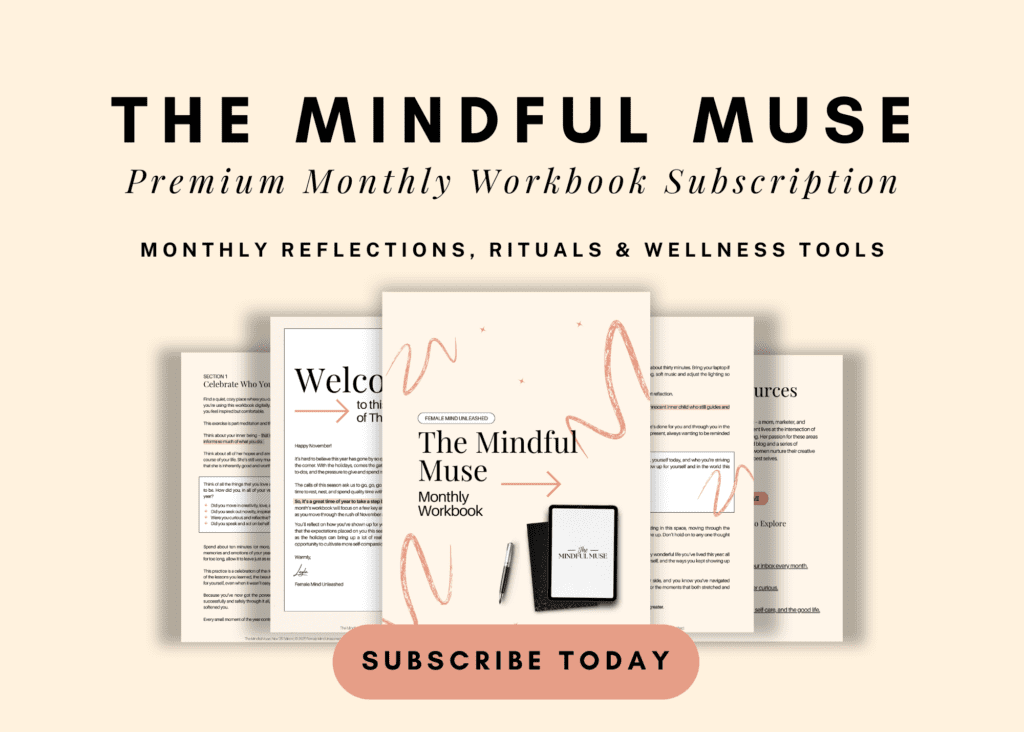
The Mindful Muse is a $9/month workbook subscription that invites you into a meaningful monthly check-in through guided reflections, journaling prompts, and intentional self-care rituals. Each issue explores themes like emotional wellbeing, personal growth, and creative renewal, so you have space to slow down, reflect, and reconnect with your inner child and your truest self.
Some links on this page are affiliate links. If you make a purchase through these links, I may earn a small commission at no extra cost to you. I only recommend products I genuinely believe add value.